
4Oct
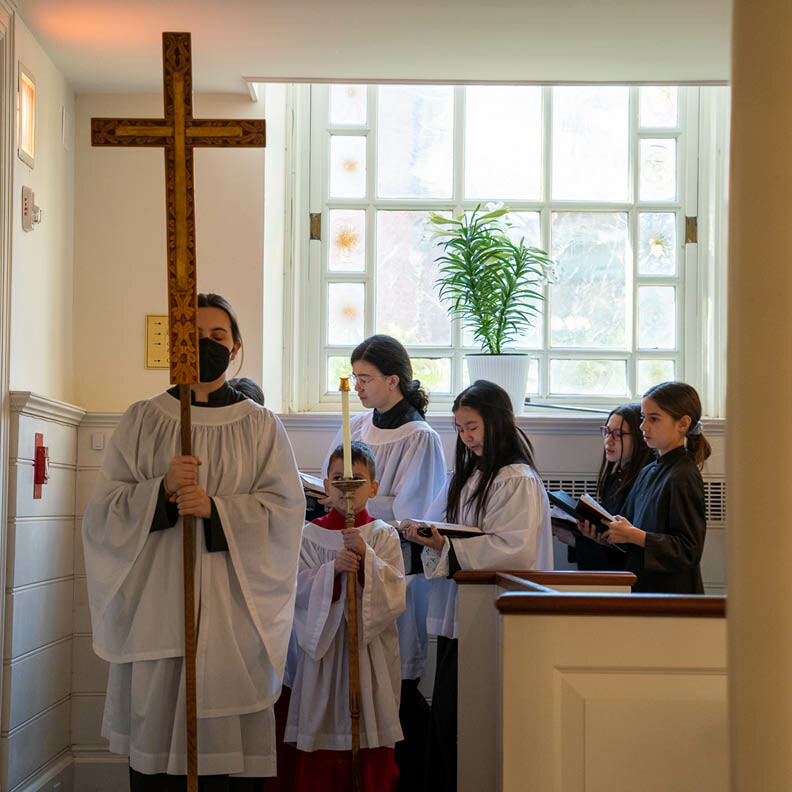
9:15am Holy Eucharist
Sunday at 9:15 AM
As members of the body of Christ gathered at St. Luke in the Fields, we are called to ministries of worship, witness, formation and hospitality. We seek to ensure that the Church of St. Luke in the Fields will continue to add to the legacy we have received, and to participate fully in the life of both our city and the larger church.
We gather to worship, witness, learn, grow, and serve, creating Jesus’ embrace through outreach, arts, educational programs and the sanctuary of our church and gardens.
We joyfully join the Holy Spirit to transform this world into the kingdom of God, celebrating the diversity and dignity of all creation, connecting people to each other and to the Divine.
We set scripture, prayer and sacraments at the center of our communal life.
We practice inclusive hospitality, valuing diverse experiences and contributions from our parish, our neighbors, and the wider community.
We honor our progressive Anglo-Catholic heritage through our service at the altar and our service to those in need.
We strive to be good stewards of the resources God has given us, giving our highest and best to God in all that we do.
“Do justice...”
Following the commandment of Jesus Christ to love our neighbors as ourselves, and living into our Baptismal Covenant to respect the dignity of every human being, we, as members of the body of Christ, commit to recognize:
We commit to repenting and asking for forgiveness, thereby working to promote racial reconciliation, justice, healing, and understanding within our parish and the communities where we live and serve.
“...love mercy...”
We believe healing racism is an act of faith. We joyfully join the Holy Spirit to transform this world into the Kingdom of God, celebrating the diversity and dignity of all creation, connecting people to each other and to the Divine.
“...walk humbly with your God.” (Micah 6:8)
We accept the sacred responsibility to critically examine our own complicity in perpetuating practices of systemic racism, social injustice, and violence in our church and wider community by our promotion of exclusionary beliefs, actions, cultures, and behaviors—whether knowingly, unknowingly, or complacently—as individuals and as a faith community.